
Why You Still Feel Tired Even After Getting Enough Sleep
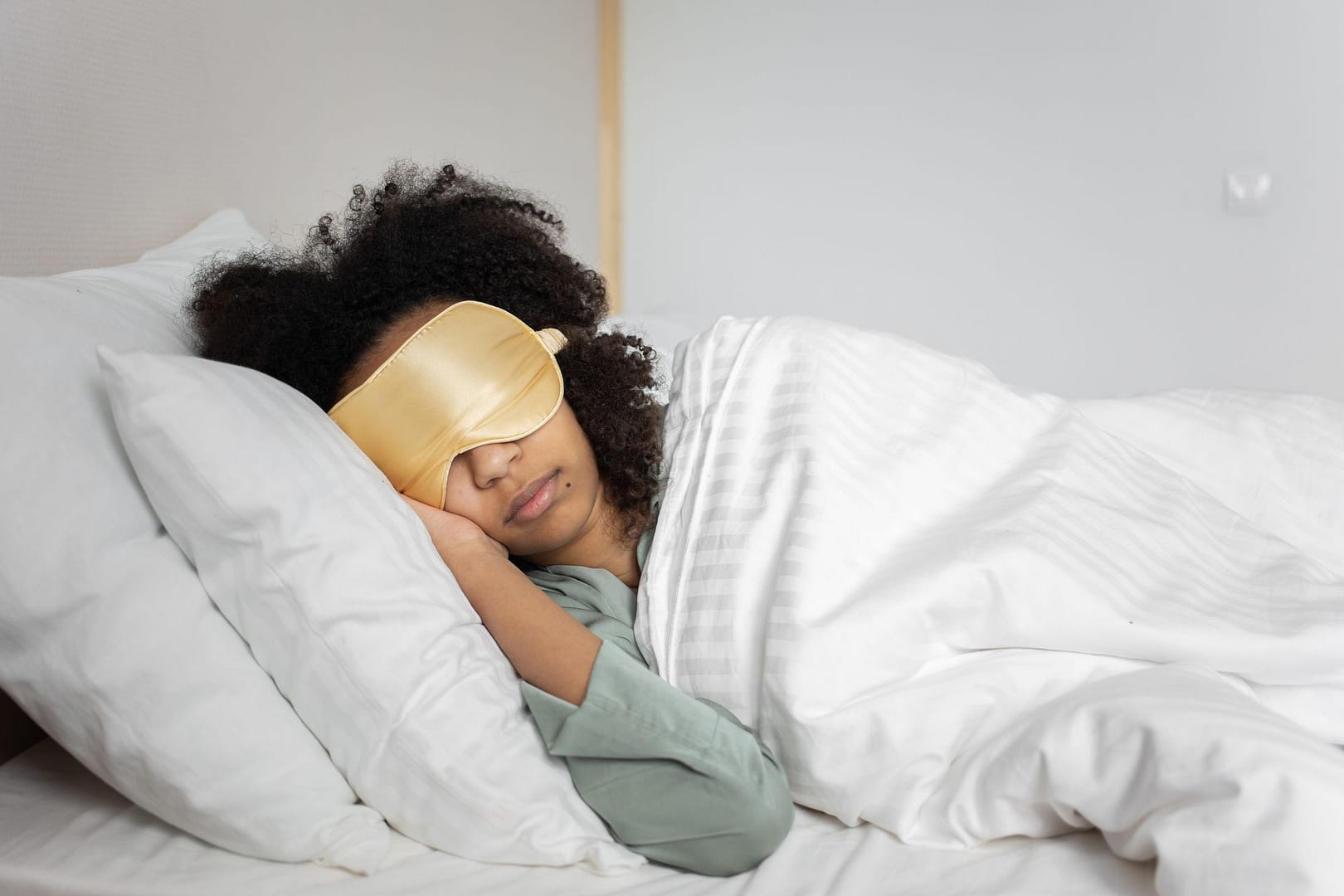
Have you ever slept for eight hours, only to wake up feeling like you barely rested? You might hit the snooze button several times, struggle to get out of bed, and spend the morning wishing you could sleep a little longer. It can be frustrating when you think you are doing everything right but still feel exhausted. The truth is that getting enough sleep does not always mean getting quality sleep. Several everyday habits and health conditions could explain why you still feel tired.

Your Sleep Quality Might Be Poor
Sleeping for eight hours sounds great, but what happens during those hours matters just as much. If you keep waking up throughout the night, your body may not get the continuous rest it needs. Noise, uncomfortable room temperatures, bright lights, and an inconsistent bedtime can all interfere with sleep quality. Try making your bedroom comfortable, keeping it dark and quiet, and following a regular sleep schedule. These small changes may help you wake up feeling more refreshed.
You Go to Bed at Different Times
Going to bed at midnight one day and 9 p.m. the next can make it harder for your body to maintain a regular sleep rhythm. Your internal body clock helps regulate when you feel awake and when you feel sleepy. When your schedule changes frequently, you may struggle to feel rested even after spending enough hours in bed. Try going to bed and waking up at roughly the same times each day, including weekends, to support a more consistent sleep pattern.

Stress Is Keeping Your Mind Busy
Sometimes, your body is ready to rest, but your mind has other plans. You might lie in bed thinking about work, money, relationships, or everything you need to do tomorrow. Stress can make it difficult to fall asleep or stay asleep, leaving you tired the following day. Creating a relaxing bedtime routine may help. You could read a book, take a warm shower, or write down your thoughts before bed. If stress regularly affects your sleep, consider speaking with a healthcare professional.
Your Diet May Be Affecting Your Energy
What you eat and drink can influence how energetic you feel throughout the day. Skipping meals or not eating enough can leave you feeling weak or tired, while dehydration may contribute to fatigue. Drinking coffee late in the day can also interfere with your sleep, even if you manage to fall asleep at your usual time. Try eating balanced meals, drinking enough water, and limiting caffeine in the afternoon and evening. If tiredness continues despite these changes, other causes may need attention.
You May Not Be Getting Enough Physical Activity
Spending most of your day sitting can sometimes leave you feeling sluggish, even when you have rested overnight. Regular physical activity supports overall health and can help improve sleep quality. You do not need to start an intense workout routine to notice a difference. Walking, stretching, dancing, or cycling can be good ways to add movement to your day. Start with activities you enjoy and build a routine that suits your lifestyle. However, avoid pushing yourself too hard when you are already feeling unusually exhausted.

An Underlying Health Condition Could Be the Cause
Persistent tiredness is not always related to lifestyle habits. Conditions such as iron deficiency anaemia, thyroid problems, diabetes, and sleep apnoea can contribute to fatigue. Sleep apnoea, for example, can interrupt breathing during sleep and leave you feeling unrefreshed in the morning. Certain medications can also cause drowsiness. If you regularly feel exhausted despite getting enough sleep, arrange an appointment with a healthcare professional. They can assess your symptoms and determine whether you need tests or treatment.
Your Body May Need More Sleep
Although eight hours is a common sleep recommendation for adults, individual needs vary. Most adults need around seven to nine hours of sleep each night, and some may need more depending on their circumstances. If you have been sleeping poorly, recovering from an illness, or dealing with increased physical demands, you may need additional rest. Pay attention to how you feel when you allow yourself enough time to sleep. If you remain tired despite consistently getting adequate rest, do not assume that sleeping longer is the only solution.
Feeling tired after a full night’s sleep can have several causes, from poor sleep quality to stress and underlying health conditions. Start by reviewing your sleep habits, daily routine, and eating patterns. If the fatigue persists, affects your daily life, or comes with other symptoms, seek medical advice to identify the cause and find the right solution.…

 The body’s endocannabinoid system plays a crucial role in maintaining some functions in the body, such as moods, sleep, appetite, and regulating the circadian rhythm. The endocannabinoid system has a network of cannabinoid receptors in the central nervous system and the brain. Two of the key receptors in the system are CB1 and CB2.
